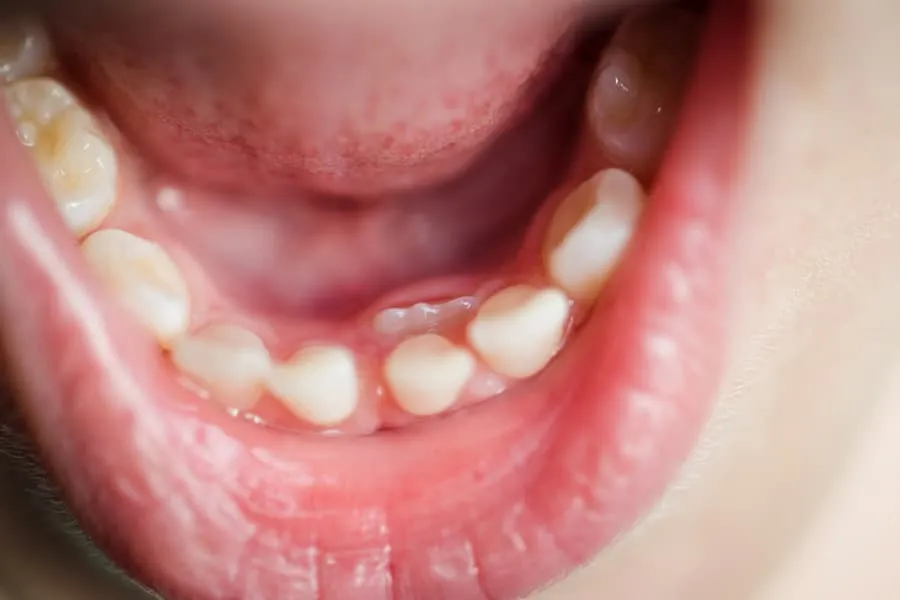

You certainly can’t convince those little teeth to stay in their hiding place so your baby won’t be bothered, nor can you press a magic button so your little angel won’t feel teething at all. A baby’s first tooth usually appears between the 6th and the 8th month of life. A total of 20 baby (primary) teeth come into their little mouth (10 in the upper jaw and 10 in the lower jaw), usually by the age of 3.
Teething follows a specific order:
First come the incisors, then the first primary molars, followed by the canines and, finally, the second primary molars. Early or late eruption of baby teeth is related to hereditary factors and not necessarily to a medical problem, and it is in no way a sign of developmental delay. However, if the first baby tooth has not appeared by your baby’s first birthday, you should consult your dentist.
What are the possible symptoms when baby teeth come in?
Some babies show no symptoms at all, and the whole teething process is completely painless. Most of the time, the symptoms that appear while your baby’s first teeth are coming in are mild, such as:
- Red, swollen gums. This is a sign that the gums will soon break and the first little teeth will appear.
- Heavy drooling.
- Restlessness, irritability and disturbed sleep.
- Changes in eating habits, even loss of appetite.
- Wanting to chew on something all the time and putting objects in their mouth.
- A low-grade fever that does not last more than 3 days.
- Itching around the ear. Your little one may tug nervously at their ear or scratch it. Once an ear infection has been ruled out, it means a new tooth is coming in.
If your baby develops a high, persistent fever, rashes, vomiting or diarrhea, it’s best to see your pediatrician, as something else may be going on – these symptoms are not related to teething.
What can I do to soothe my baby when they are teething?
To relieve your baby’s discomfort, moms should clean the baby’s mouth 2–3 times a day with a damp piece of gauze. Chew toys and teething rings that have been chilled in the refrigerator beforehand would also help a lot (they are made especially for this purpose and come in all kinds of shapes and little animals to suit your taste). It goes without saying that they must be clean, suitable for your baby’s age, safe and non-toxic.
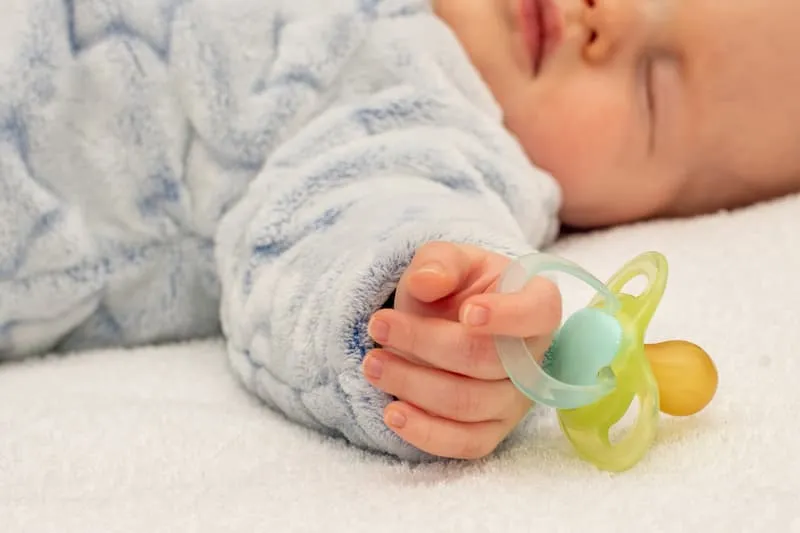
You can also gently rub your baby’s gums with an ice cube wrapped in gauze, or give them their pacifier – ideally after putting it in the refrigerator for a few minutes. This can bring relief. But be careful: don’t put teethers in the freezer, as they can irritate the area around your baby’s mouth, and don’t buy teething rings that contain liquid. There are also special gels and creams on the market that soothe your little one and also have antiseptic properties, but they should be a last resort, so consult your pediatrician or dentist before buying them. In addition, wipe away your baby’s drool regularly to prevent irritation and swelling on their little face.
The first little teeth are finally here. How do I care for them?
First of all, caring for baby teeth lays the foundation for the healthy development of the permanent teeth that will follow. That’s why caring for baby teeth starts as soon as they come into your baby’s mouth. As soon as the first little tooth makes its appearance, it is important to clean it twice a day with a soft toothbrush and a tiny amount (a smear) of fluoride-free toothpaste, and one of those times must always be at night. Finally, turn toothbrushing into a game. If your child learns to love brushing, they’ll thank you for the rest of their life! Until the age of 7, it is better for toothbrushing to be supervised by parents, because children do not yet have the necessary skill.
During this time, when your little ones can’t yet talk to tell you what’s bothering them, it’s important to arm yourself with plenty of patience and to hold your children close with as much understanding and tenderness as you can. The first teeth will soon come through, and it will all be over!
Quick answers
When does a baby’s first tooth come in?
The first tooth usually appears between the 6th and the 8th month of life, and all 20 baby teeth have usually come in by the age of 3. If no tooth has appeared by the first birthday, consult your dentist.
What are the symptoms of teething?
They are usually mild: red, swollen gums, heavy drooling, irritability and disturbed sleep, changes in eating habits, a constant urge to chew, a low-grade fever lasting no more than 3 days and itching around the ear. Some babies have no symptoms at all.
How can I soothe my teething baby?
Clean your baby’s mouth 2–3 times a day with damp gauze and offer clean, safe teething rings chilled in the refrigerator, not the freezer. Avoid liquid-filled teething rings, and ask your pediatrician or dentist before using teething gels.
When should I see the pediatrician?
If your baby has a high, persistent fever, rashes, vomiting or diarrhea, see your pediatrician, as these symptoms are not related to teething.
This article is for information only and does not replace a clinical examination or your dentist’s advice.