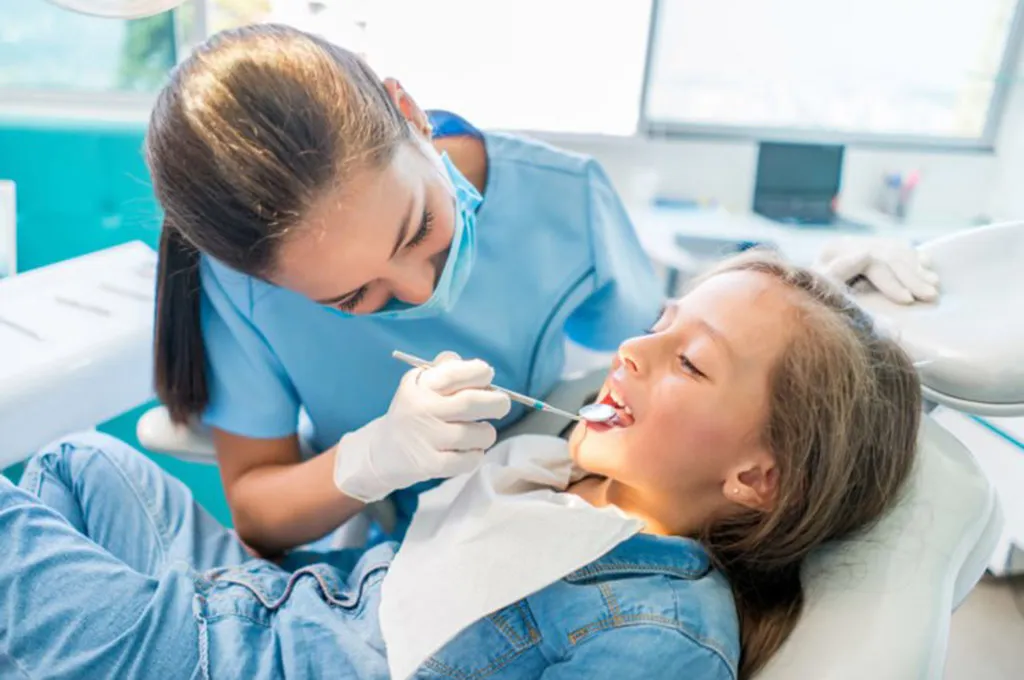
A child’s first visit to the dentist should take place once the first teeth have started coming into the child’s mouth – that is, at around one year of age, even if there is no problem at all. At this first visit, the dentist will check the development and eruption of the child’s baby (primary) teeth. The aim of the visit is to teach parents the right oral hygiene habits for their child and how to make them a simple part of their little one’s daily hygiene routine.
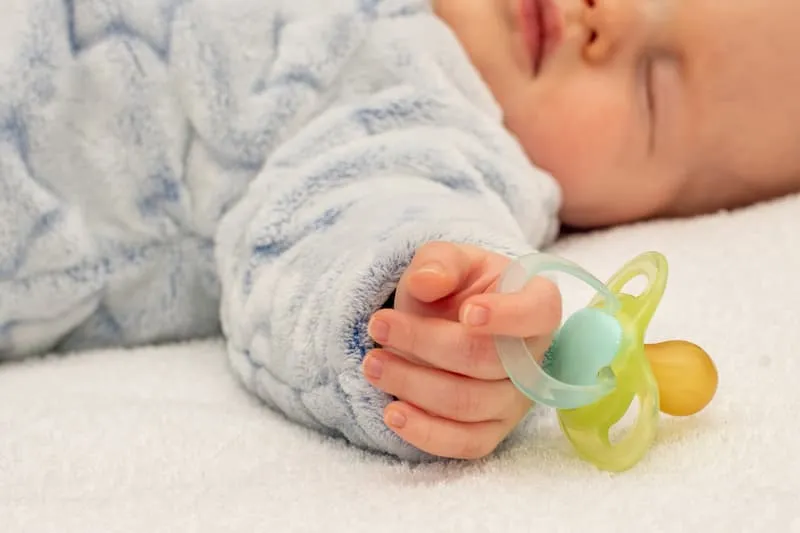
Beyond teaching proper oral care, the dentist explains to parents what tooth decay and gingivitis are and makes clear the harmful effects a poor diet can have on children’s teeth. The dentist also advises on the correct use of the baby bottle and on choosing a pacifier, as well as on oral habits such as thumb or pacifier sucking, and how and when to stop them.
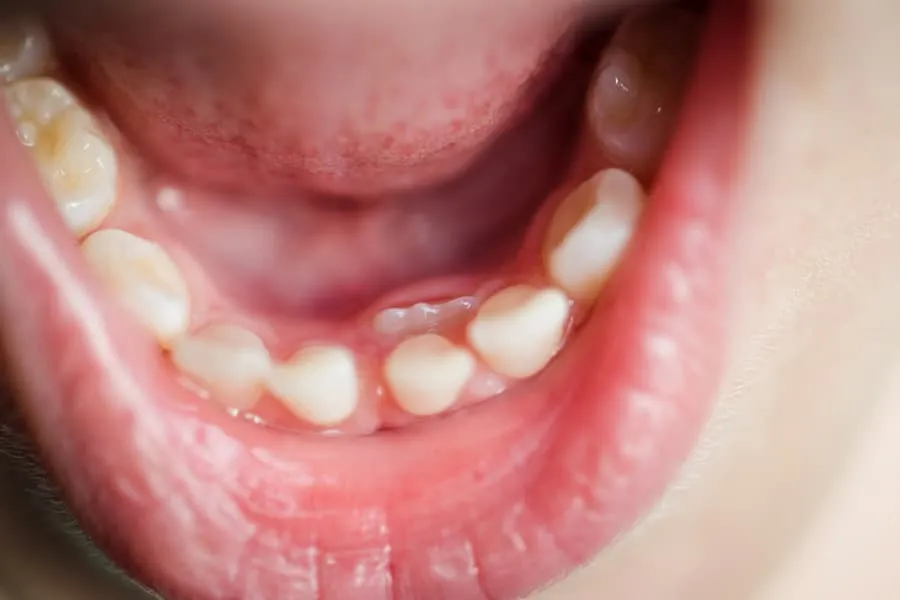
The next dental checkup will take place once all the baby teeth have come in, that is, at the age of 2.5–3 years. At this visit, the dentist will check whether all of the child’s teeth have come in and let the parents know about any irregularities in either the number or the shape of the teeth.
The dentist will then examine the child’s mouth for any signs of tooth decay and put together the necessary treatment plan. They will also adapt the child’s oral hygiene to the needs of their new age, advising parents to change both the toothbrush and the toothpaste. Depending on the child’s risk of tooth decay, the next checkup will take place in 6 months or in a year, as recommended by the dentist.
Common questions that worry parents
1) How do you examine such young children?
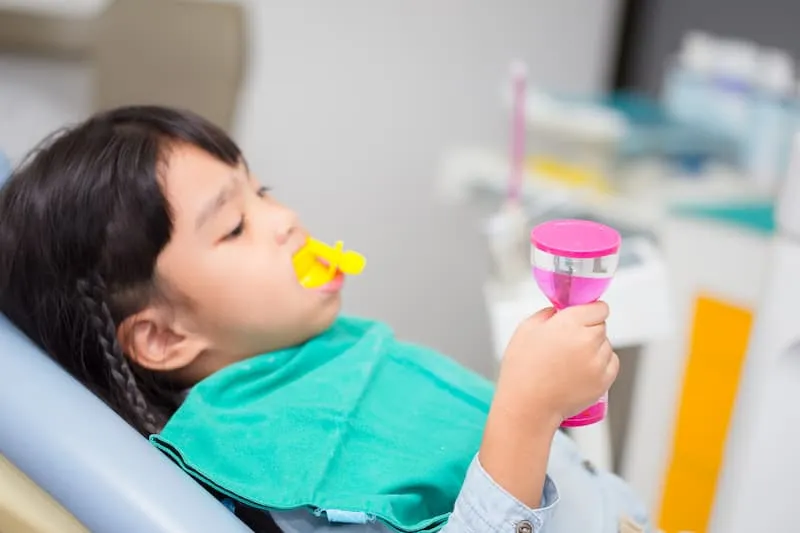
The first examination usually takes place with the child sitting on mom’s or dad’s lap, in the form of a game, so that the child can get used to the office, the instruments, the equipment and the examination itself, which is short but thorough.
2) Do children need a dental cleaning? What is a “fluoride treatment”?
We shouldn’t forget that tartar doesn’t only build up on adults’ teeth but on children’s teeth as well, and then they need a cleaning. Besides cleaning, another essential step in fighting tooth decay is the topical application of fluoride, known as a fluoride treatment, which in most cases should be done every 6 months. Of course, it is the dentist who will set a personalized fluoride treatment schedule for each child and teenager.
3) Which teeth get preventive pit and fissure sealants?
Pit and fissure sealants are a simple, painless and safe way to prevent tooth decay in the pits and fissures (grooves) of the chewing surfaces of the back teeth (molars).
4) Should I brush my child’s teeth even if they only drink milk? When should I buy them a toothbrush and toothpaste?
Toothbrushing should start as soon as the first teeth come in. A soft toothbrush with a small head (a children’s toothbrush) is the most suitable choice. It’s a good idea to start using children’s toothpaste when the first baby tooth makes its appearance. Of course, at this age (6–7 months) we choose a toothpaste without fluoride, but with a very pleasant taste.
Why is routine important in children’s lives?
Children can use an electric toothbrush, because they see it as a toy and brush for longer. Parents should let children get used to brushing from an early age, but they should supervise their children’s oral hygiene at least twice a day until the age of 8.
5) Why bother with baby teeth, since the child will lose them once they start school?
The first baby teeth come in at around 6 months of age, and the last ones fall out at around age 13. As we all know, when your little one starts elementary school, they are at the age when they begin “changing their teeth.” The front baby teeth fall out, while at the same time the first permanent molars appear. This doesn’t mean, however, that by the end of first grade all of their baby teeth have been replaced by permanent ones. Their last baby teeth (the primary molars) will be replaced when they are in middle school! So baby teeth need to be looked after very carefully, for many reasons.
So why should a child take such good care of their teeth?
- To have a beautiful smile.
- Baby teeth help with proper speech development.
- The child eats with them for about 12 whole years.
- So that their jaws develop properly and the space where the permanent teeth will later come in is preserved, giving a good bite (and avoiding orthodontic treatment later on).
- Dental diseases (tooth decay, gingivitis) begin as soon as teeth appear in the mouth. Baby teeth are replaced between the ages of 6 and 13. Unfortunately, a child with decayed, untreated baby teeth grows into an adult with dental problems.
- To enjoy good health. Healthy baby teeth – free of abscesses and pain – certainly help keep the child in good general health. This is also how good habits take root, and children learn early on that keeping their baby teeth healthy is very important, and that there is no truth at all in the myth that “baby teeth don’t need to be treated, since sooner or later they’ll be replaced!”
6) What should I tell my child before the first visit?
Prepare your child for their first visit using simple words and without going into too much detail. It helps to mention, with enthusiasm, that the dentist is going to count their teeth and see if they are clean. There’s no need to say things like “Don’t be scared” or “Don’t worry, it won’t hurt,” because that will only make them anxious.
It would be really helpful to read them a story or a fairy tale about going to the dentist, for example:
- Σοκολάκης και Ζαχαρούλα Τρυποδόντη by Anna Russelmann (Greek edition)
- Η Δόνα Τερηδόνα (“Dona Tooth Decay”) by Eugene Trivizas
- Ο Ιππόλυτος ο ιπποπόταμος (“Hippolytus the Hippopotamus”) by Zarambouka
- Πηγαίνω στον Οδοντίατρο (“I’m Going to the Dentist”), published by Savvalas
- Ο κροκόδειλος που πήγε στον οδοντίατρο (“The Crocodile Who Went to the Dentist”) by Eugene Trivizas
- The Berenstain Bears Visit the Dentist by Stan and Jan Berenstain
- Show Me Your Smile! A Visit to the Dentist (Dora the Explorer) by Christine Ricci and Robert Roper, and many more…
The first visit is completely painless and has a very positive effect on the child’s psychology, because it gives them the chance to get to know the place and the people they will work with to have “healthy teeth and a beautiful smile.”
Quick answers
When should my child first visit the dentist?
Once the first teeth have started coming in, at around one year of age, even if there is no problem at all. The next checkup takes place at 2.5–3 years, once all the baby teeth have come in.
How do you examine such a young child?
The first examination usually takes place with the child on mom’s or dad’s lap, in the form of a game, so the child gets used to the office, the instruments and the process. It is short but thorough, and completely painless.
When should I start brushing my child’s teeth?
As soon as the first teeth come in, using a soft children’s toothbrush with a small head. Parents should supervise their child’s oral hygiene at least twice a day until the age of 8.
Why care for baby teeth if they fall out anyway?
The last baby teeth (the primary molars) are only replaced at around age 13, and baby teeth help with proper speech and jaw development. Unfortunately, a child with decayed, untreated baby teeth grows into an adult with dental problems.
This article is for information only and does not replace a clinical examination or your dentist’s advice.